

WealthPots' July 2026 field update on current deal flow, negotiation, finance and operating models for investors based outside the UK.
The UK property market rarely moves in a straight line. Conditions change by location, property type, seller circumstances and the availability of finance.
That is why WealthPots is introducing a quarterly UK property market update. The purpose is not to predict the next headline. It is to share what our team is seeing through active sourcing, agent conversations, finance discussions and portfolio work.
In July 2026, the WealthPots sourcing team was seeing more properties become available, some transactions return after falling through, and prepared buyers gain more room to negotiate. Current conditions also raised important questions about mortgage-rate assumptions, Buy-to-Let and HMO performance, and the due diligence required for social-housing and supported-living opportunities.
This article records those market observations for investors in Singapore, Hong Kong and other markets outside the UK. It is a time-stamped field update rather than a guarantee of future prices or returns, and it is not personal financial, mortgage, legal or tax advice.
July 2026 market snapshot

Our central observation was that current conditions were giving credible buyers more room to operate than they had experienced during more competitive periods.
The WealthPots sourcing team was seeing:
- More conversations initiated by estate agents
- Properties remaining available for longer
- Previously agreed transactions returning to the market
- Greater willingness from some sellers to discuss price
- More opportunity to assess complex or poorly presented properties
- Continued demand for well-positioned rental stock
This does not mean every seller is motivated or every location offers the same conditions. Good properties can still attract competition. It means the balance between buyer and seller was creating more negotiating opportunities in the areas and property types the team was reviewing.
For an overseas investor, the practical benefit is additional room to make a decision from evidence rather than urgency. The property still needs to meet the investment criteria, work under conservative assumptions and have a viable operating plan.
What is creating the current deal flow?

Some of the most useful opportunities in the current market were not new listings.
They included properties where:
- An earlier buyer had withdrawn
- The original offer had not progressed
- A seller had become more realistic after testing the market
- A portfolio owner wanted to discuss several properties
- Structural, probate or other complications had reduced the buyer pool
These situations can create negotiating room because the seller may value certainty and a credible route to completion.
Additional risk can arise when a transaction has fallen through. Investors should ask why it failed. A property with structural or legal complexity requires appropriate surveys and professional advice, while a portfolio purchase still needs property-by-property analysis.
The opportunity is not the complication itself. It is the possibility of resolving a problem that has been understood, priced and managed correctly.
Why a credible offer can beat a higher offer

One recent example involved a seller accepting an offer below another buyer's figure because the estate agent had more confidence in the lower bidder's ability to complete.
That is an important distinction for investors outside the UK. An offer has both a price and an execution profile.
A credible buyer can usually explain:
- Where the funds will come from
- Whether a mortgage, cash purchase or short-term facility is involved
- Which solicitor will handle the transaction
- How quickly documents and decisions can be provided
- Whether the buyer understands the property type
- What conditions still need to be satisfied
This does not justify overstating readiness. It means avoidable uncertainty should be removed before making an offer.
For a Singapore or Hong Kong investor, preparation may include completing identity and source-of-funds checks, speaking to an international mortgage broker, planning the GBP transfer and agreeing who can respond when the UK team is active.
Speed helps when it comes from preparation. It becomes dangerous when it replaces due diligence.
Negotiating from the property numbers
More negotiating room should not encourage investors to chase discounts without understanding the asset.
The correct starting point is the investment appraisal:
- Purchase and acquisition costs
- Rent supported by current local evidence
- Refurbishment and furnishing requirements
- Mortgage interest and lender fees
- Management and maintenance
- Compliance and licensing
- Expected voids
- Cash reserves
- Refinance or alternative exit
These figures determine the maximum price the property can support.
A large reduction from an unrealistic asking price can still produce a weak investment. A smaller discount on a well-positioned property may produce better long-term numbers.
Clear criteria also improve communication with the sourcing team. When an investor declines a property and explains why, the feedback helps refine future opportunities around budget, timing, return and risk.
How to approach mortgage-rate movement

Mortgage rates and swap rates remain an important part of the July 2026 investment picture. A practical appraisal should avoid building a deal around one optimistic finance quotation.
Rates can change between:
- Initial appraisal
- Offer acceptance
- Mortgage application
- Completion
- Refurbishment
- Refinancing
The property should therefore be tested using a cautious rate that reflects the investor's circumstances.
The relationship between cost and speed also matters. A lower rate may be attractive, but it is not the only consideration. Eligibility, valuation approach, lender experience, completion certainty, product conditions and the intended refinance route all affect the decision.
An overseas investor can stress-test:
- The expected borrowing cost
- A higher interest-rate scenario
- A lower valuation at refinancing
- A larger deposit requirement
- A longer completion or refurbishment period
- Currency movement before funds reach the UK
The objective is not to guess where rates will go. It is to understand whether the property remains manageable if the original assumptions change.
Mortgage products and eligibility vary, so investors should discuss their position with a suitably qualified broker.
What the team is seeing in Buy-to-Let
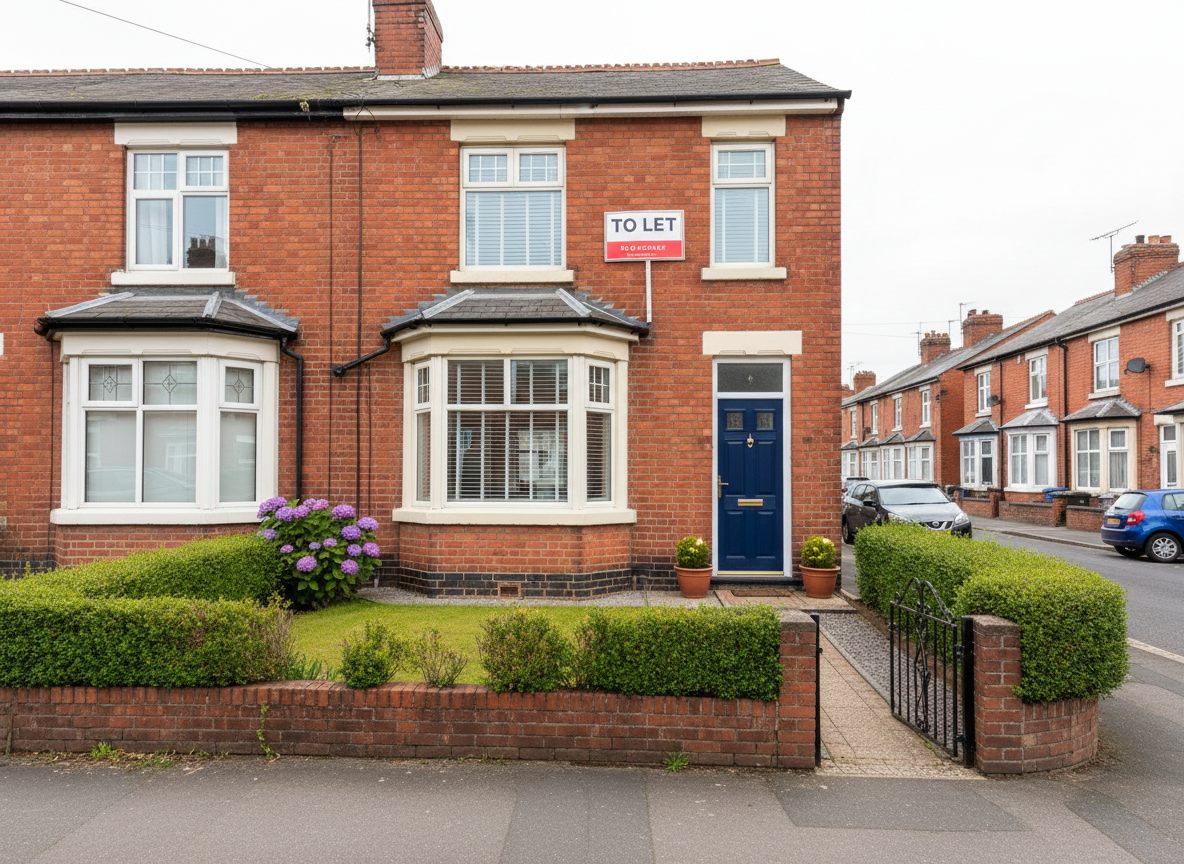
WealthPots continues to see demand for suitable rental homes in the locations it monitors, alongside limited competing rental stock in some areas.
That can support a Buy-to-Let strategy, but the national rental story should not replace local evidence.
For each property, the current quarterly review should include:
- Comparable properties presently available to rent
- Recently agreed local rents where evidence is available
- The likely tenant profile
- The condition of competing stock
- Expected management and maintenance
- The time required to reach a lettable standard
This is particularly important for a remote investor. A Buy-to-Let property may be operationally simpler than an HMO, but it still needs reliable local management, clear reporting and reserve funds.
The July message was not that every rental property will perform. It was that well-selected stock can remain attractive when the rent, condition, local demand and full cost model support the decision.
Current HMO observations

Good-quality private-sector HMOs can remain attractive where local demand and the operating model are understood.
There is also a divide between compliant, well-managed accommodation and weaker stock. Licensing, refurbishment standards and professional management can reduce the number of unsuitable competitors, but they also increase the level of expertise and capital required.
For an HMO considered in the current market, investors should establish:
- Planning and lawful-use position
- Licensing requirements
- Fire and amenity standards
- Room sizes and layout
- Refurbishment specification
- Tenant demand by room type
- Utilities, cleaning and management costs
- The effect of one or more empty rooms
- Who handles inspections, maintenance and tenant turnover
The opportunity is not simply the higher gross rent. It is the difference between that income and the full cost of delivering and operating the accommodation properly.
Social housing is not one investment model
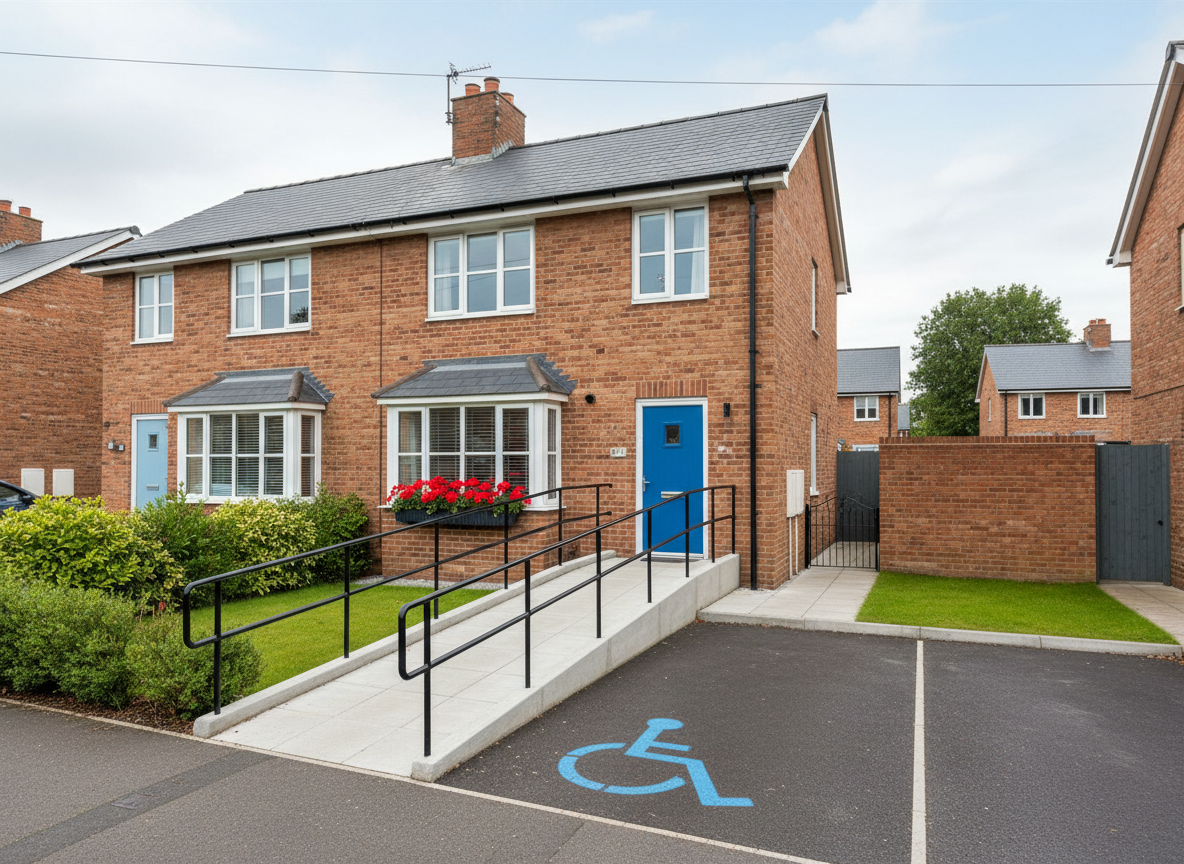
Social-housing and supported-living opportunities require a separate level of analysis.
The label can cover very different arrangements, including housing-benefit tenants, properties operated by social-housing providers, supported living, specialist care and emergency accommodation.
Those arrangements can differ in:
- Contract length
- Source of rent
- Level of tenant support
- Maintenance responsibility
- Provider structure
- Property specification
- Mortgage and insurance eligibility
A long lease or above-market rent can appear attractive, but neither removes risk.
Before committing, an investor should verify:
- Every contracting entity and its role
- Whether a registered provider is involved
- The source and route of payment
- Repair, compliance, utility and damage obligations
- Break and termination clauses
- What happens if the provider or underlying contract fails
- Whether the lender and insurer accept the arrangement
- The property's alternative use and value
Provider selection is central. WealthPots has spent several years developing relationships and reviewing structures in this sector rather than treating every provider proposal as equivalent.
Availability can also be limited. Some opportunities require cash or specialist finance, longer preparation and a property specification designed for a particular use.
For investors, the second exit remains essential. If the specialist arrangement ends, there should be a realistic plan for the property.
The July 2026 action list for overseas investors

Current conditions point to a practical set of actions.
Confirm your current buying position
Know the capital available, mortgage route, target strategy and expected timing. If the position has changed, tell the UK team before another property is presented.
Set the decision criteria
Define the location, total cash requirement, refurbishment tolerance, minimum performance requirements and risks that would prevent a purchase.
Prepare the execution team
The solicitor, broker, currency provider and acquisition team should know their roles. Complete preliminary checks before a time-sensitive offer.
Review finance conservatively
Do not depend on a future rate reduction or a perfect valuation. Test a less favourable outcome and identify the required cash buffer.
Investigate fall-through and complex deals
Ask why the earlier transaction failed and what must be resolved. Obtain the right professional advice before pricing the risk.
Give prompt, useful feedback
A clear no is valuable. Explain whether the issue is price, location, strategy, timing, finance or property condition so future opportunities can be better matched.
Frequently asked questions
What is the main message from the July 2026 WealthPots update?
WealthPots is seeing more negotiating room and more agent-led deal flow in the parts of the market it is reviewing. Prepared investors should assess opportunities using conservative finance assumptions and a clear operating plan.
Does the July update mean UK property prices will fall?
No. This update describes current sourcing conditions rather than guaranteeing a future national price movement. Conditions vary by location, seller and property type.
Why might a seller accept a lower offer?
A seller may value confidence in completion, particularly after a previous transaction has failed. Funding clarity, solicitor readiness, responsiveness and relevant experience can strengthen an offer.
Are BTL and HMO both part of the current opportunity?
They can be, when the local evidence and full operating model support the property. HMO usually requires more intensive refurbishment, compliance and management than a standard Buy-to-Let.
Is social housing a passive, guaranteed-income strategy?
No. The term covers several different arrangements. Provider quality, lease terms, maintenance obligations, payment structure, lender requirements and the alternative exit all require detailed review.
A quarterly update, not a prediction
The value of a quarterly market update is that it captures what is happening on the ground without pretending the next quarter can be forecast with certainty.
In July 2026, the WealthPots team was seeing more conversations, more properties to analyse and more circumstances in which a prepared buyer could negotiate. That creates a useful environment for disciplined investors, but it does not remove the need to test every property.
For investors in Singapore, Hong Kong and elsewhere outside the UK, the priority is readiness: clear criteria, conservative finance, a responsive team and a documented decision process.
Sources and verification
This July 2026 article combines WealthPots' first-hand sourcing and portfolio observations with the published market and regulatory context below. The deal-flow examples, agent conversations and negotiation outcomes are WealthPots observations, not national statistics. These links support only the corresponding market, finance and regulatory topics already covered in the article.
- Rightmove House Price Index, July 2026. Asking-price, market-activity and available-stock context discussed in the July update.
- Office for National Statistics: Private rent and house prices, UK, July 2026. Official UK house-price and private-rent context.
- Bank of England: June 2026 Monetary Policy Summary and Minutes. The 3.75% Bank Rate position and inflation context available when the July update was prepared.
- Bank of England: Quoted household interest rates. Official mortgage-rate series supporting the finance and stress-testing discussion.
- GOV.UK: House in multiple occupation licence. Official HMO licensing and property-management requirements.
- Regulator of Social Housing: Registered providers of social housing. The official register referenced when verifying whether a provider is registered.
- GOV.UK: Local Housing Allowance guidance. Official context for the housing-benefit and Local Housing Allowance arrangements discussed in the update.
If you want to discuss your current UK property investment position, book a free, no-obligation call with WealthPots.
You can also review the WealthPots Buy-to-Let case study and HMO case study.
Ready to discuss your position?
Book a free, no-obligation call with WealthPots. We will walk you through current opportunities and give you an honest assessment based on your situation.
Book a call